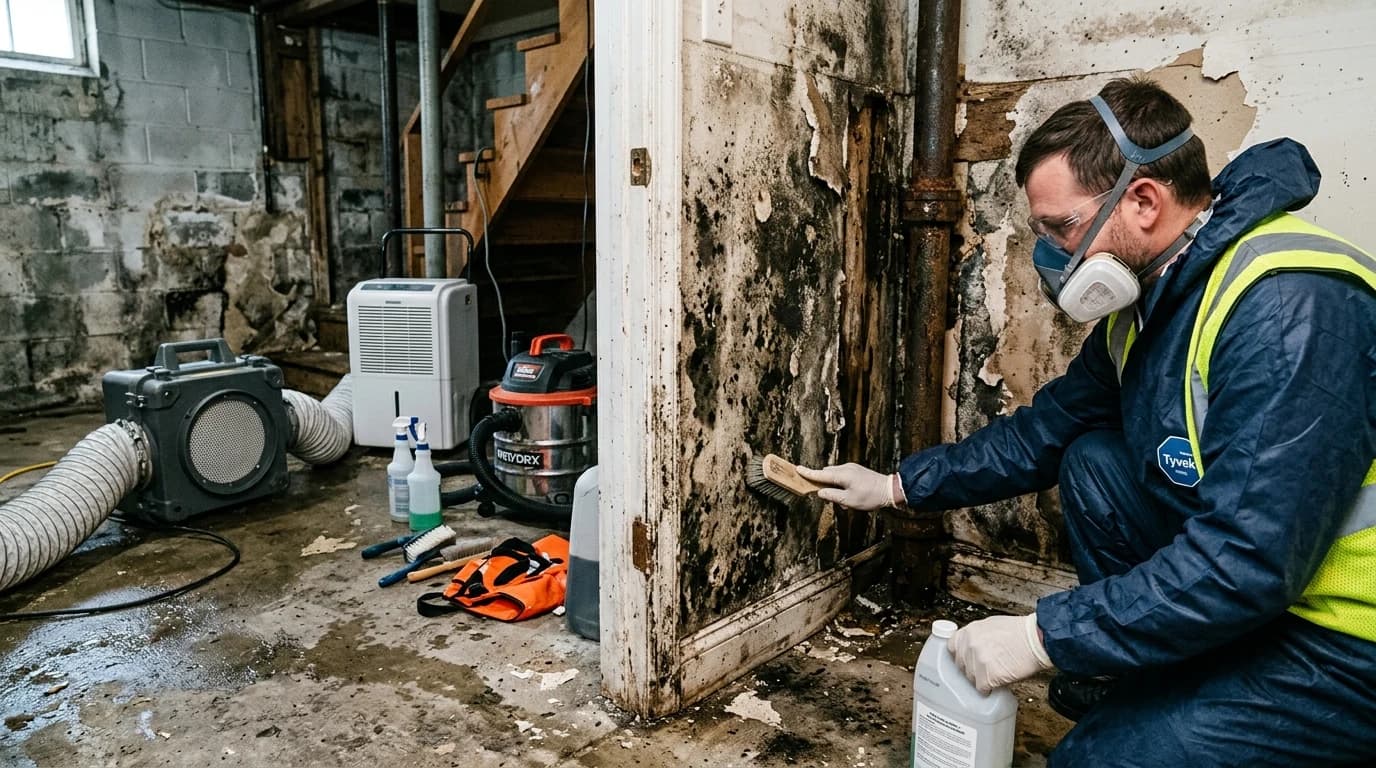
What are the long-term effects of untreated water damage?
Untreated water damage can lead to severe structural issues, including weakened foundations and mold growth. Over time, the moisture can deteriorate building materials, resulting in costly repairs. For instance, water can seep into the wooden structures of your home, causing them to rot and lose their integrity. This can lead to floors sagging, walls becoming unstable, and ceilings collapsing. In Cresskill, where seasonal rains and humidity can exacerbate damage, it's critical to address issues quickly to maintain property value and safety.
Furthermore, water damage can compromise electrical systems. When water infiltrates electrical outlets or wiring, it increases the risk of electrical shorts and fires, posing a significant danger to any household. The longer the water sits, the more damage it can do, not just to your home but also to any personal belongings made from materials sensitive to moisture, such as documents, photographs, and electronics.
Additionally, if water damage is left untreated, it can lead to a decrease in property value. Potential buyers are often wary of homes with a history of water damage due to the potential for hidden issues and future repair costs. Thus, addressing water damage promptly is not only crucial for maintaining the safety and livability of your home, but it also preserves its market value.
Furthermore, water damage can compromise electrical systems. When water infiltrates electrical outlets or wiring, it increases the risk of electrical shorts and fires, posing a significant danger to any household. The longer the water sits, the more damage it can do, not just to your home but also to any personal belongings made from materials sensitive to moisture, such as documents, photographs, and electronics.
Additionally, if water damage is left untreated, it can lead to a decrease in property value. Potential buyers are often wary of homes with a history of water damage due to the potential for hidden issues and future repair costs. Thus, addressing water damage promptly is not only crucial for maintaining the safety and livability of your home, but it also preserves its market value.
How does untreated water damage affect health?
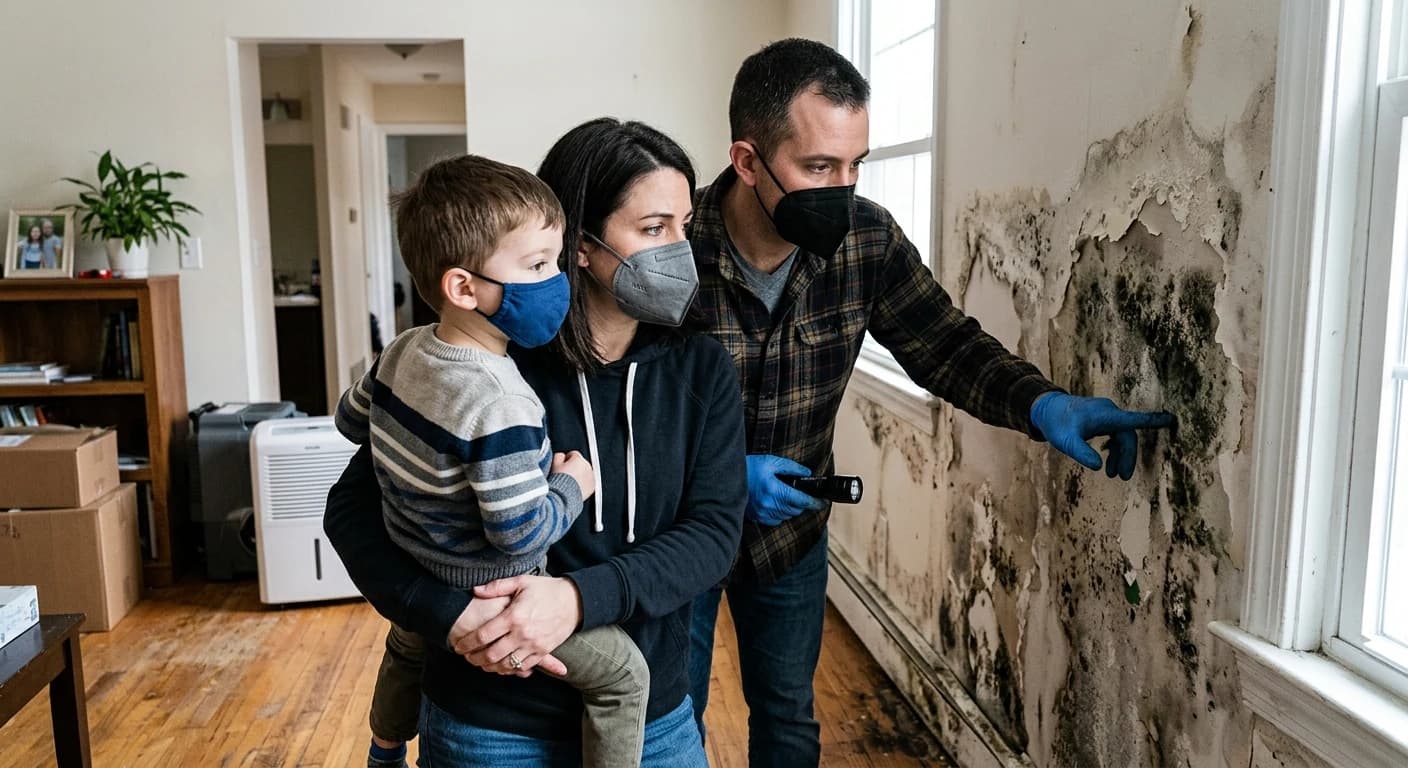
Mold and mildew thrive in damp conditions, posing significant health risks to occupants. Exposure can lead to respiratory problems, allergies, and other health issues, especially for children and the elderly. Mold spores, once airborne, can be inhaled, leading to symptoms such as coughing, sneezing, and shortness of breath. In severe cases, exposure can exacerbate asthma and lead to chronic sinus infections.
In Cresskill homes, maintaining a dry environment is essential to protect family health. It's important to be proactive; signs of mold, such as a musty smell or visible growth on walls and ceilings, should prompt immediate action. Additionally, waterlogged areas can become breeding grounds for bacteria and pests, further compromising indoor air quality and health safety.
Preventative measures, such as using dehumidifiers and ensuring proper ventilation, can help minimize these risks. Moreover, regular inspections of potential water entry points, like roofs and basements, can prevent water damage from occurring in the first place. For professional water damage assessment and remediation, Contact us to ensure a safe and healthy environment for your family.
In Cresskill homes, maintaining a dry environment is essential to protect family health. It's important to be proactive; signs of mold, such as a musty smell or visible growth on walls and ceilings, should prompt immediate action. Additionally, waterlogged areas can become breeding grounds for bacteria and pests, further compromising indoor air quality and health safety.
Preventative measures, such as using dehumidifiers and ensuring proper ventilation, can help minimize these risks. Moreover, regular inspections of potential water entry points, like roofs and basements, can prevent water damage from occurring in the first place. For professional water damage assessment and remediation, Contact us to ensure a safe and healthy environment for your family.
Why is professional intervention necessary?
Professional water damage restoration ensures thorough drying and mold prevention. Specialists have the tools and expertise to locate hidden damage and dry affected areas completely. This intervention is crucial because water can seep into areas that are not immediately visible, such as between walls or under flooring, where it can cause extensive damage over time.
Restoration professionals use advanced equipment like industrial dehumidifiers, air movers, and moisture meters to ensure that all areas are properly dried and restored. They also employ thermal imaging cameras to detect moisture that may not be visible to the naked eye. This comprehensive approach prevents further deterioration and health hazards, saving homeowners from future expenses.
Moreover, professionals can assess the extent of the damage and recommend necessary repairs or replacements to prevent future issues. They can also assist with insurance claims, providing documentation and evidence of the damage and restoration work performed. This can be invaluable in ensuring that homeowners receive the compensation they deserve for repairs.
For homeowners in Cresskill and across NJ, engaging a professional service is not just about immediate repair but also about long-term peace of mind. By addressing the root cause of water damage and implementing preventive measures, professionals help safeguard your home against future incidents. Learn more about our services to protect your home effectively.
Restoration professionals use advanced equipment like industrial dehumidifiers, air movers, and moisture meters to ensure that all areas are properly dried and restored. They also employ thermal imaging cameras to detect moisture that may not be visible to the naked eye. This comprehensive approach prevents further deterioration and health hazards, saving homeowners from future expenses.
Moreover, professionals can assess the extent of the damage and recommend necessary repairs or replacements to prevent future issues. They can also assist with insurance claims, providing documentation and evidence of the damage and restoration work performed. This can be invaluable in ensuring that homeowners receive the compensation they deserve for repairs.
For homeowners in Cresskill and across NJ, engaging a professional service is not just about immediate repair but also about long-term peace of mind. By addressing the root cause of water damage and implementing preventive measures, professionals help safeguard your home against future incidents. Learn more about our services to protect your home effectively.
How to identify early signs of water damage
Identifying early signs of water damage can save you from extensive repairs and health risks. One of the first indicators is discoloration on walls or ceilings, often appearing as yellowish stains or dark patches. These spots suggest that water is penetrating the surface, which could lead to mold growth if not addressed promptly. Another telltale sign is the presence of a musty odor, which typically indicates mold or mildew. This smell is often more pronounced in basements or attics where ventilation might be limited.
Additionally, peeling or bubbling paint and wallpaper can be a sign that moisture is trapped underneath. This is particularly common in bathrooms and kitchens, where water usage is high. Warped or buckling floors, especially in hardwood, also signal water damage. If you notice any of these signs, it’s crucial to investigate further by checking for leaks in plumbing fixtures or roof areas. In homes across NJ, seasonal changes can exacerbate these issues, making regular inspections vital.
Using moisture meters can help detect hidden moisture levels in walls and floors, providing a clearer picture of the extent of the damage. Early detection and intervention can prevent minor issues from escalating into major repairs, ensuring your home remains safe and structurally sound.
Additionally, peeling or bubbling paint and wallpaper can be a sign that moisture is trapped underneath. This is particularly common in bathrooms and kitchens, where water usage is high. Warped or buckling floors, especially in hardwood, also signal water damage. If you notice any of these signs, it’s crucial to investigate further by checking for leaks in plumbing fixtures or roof areas. In homes across NJ, seasonal changes can exacerbate these issues, making regular inspections vital.
Using moisture meters can help detect hidden moisture levels in walls and floors, providing a clearer picture of the extent of the damage. Early detection and intervention can prevent minor issues from escalating into major repairs, ensuring your home remains safe and structurally sound.
Steps to take immediately after water damage occurs
Taking immediate action when water damage occurs can significantly reduce the extent of the damage and associated costs. First, ensure safety by turning off electricity in affected areas to prevent electrical hazards. If the source of the water is a burst pipe or leaking appliance, shut off the water supply to stop further flooding. Next, remove any standing water using a wet/dry vacuum or mop. Quick removal is crucial to prevent water from seeping into floors and walls.
Once the excess water is removed, promote air circulation to aid drying. Open windows and doors to allow fresh air in, and use fans or dehumidifiers to speed up the drying process. It’s important to remove any wet items like rugs, furniture, and electronics to prevent further damage. These items should be dried separately and assessed for salvageability.
Document the damage with photographs and notes for insurance purposes. This documentation is essential for filing a claim and demonstrating the extent of the damage. Contact a professional water damage restoration service promptly to ensure thorough drying and mold prevention. They can provide a detailed assessment and help navigate the insurance process. In Cresskill, having a reliable local service can make a significant difference in managing the aftermath of water damage efficiently and effectively.
Once the excess water is removed, promote air circulation to aid drying. Open windows and doors to allow fresh air in, and use fans or dehumidifiers to speed up the drying process. It’s important to remove any wet items like rugs, furniture, and electronics to prevent further damage. These items should be dried separately and assessed for salvageability.
Document the damage with photographs and notes for insurance purposes. This documentation is essential for filing a claim and demonstrating the extent of the damage. Contact a professional water damage restoration service promptly to ensure thorough drying and mold prevention. They can provide a detailed assessment and help navigate the insurance process. In Cresskill, having a reliable local service can make a significant difference in managing the aftermath of water damage efficiently and effectively.
The Role of Insurance in Water Damage Restoration
Navigating insurance claims after water damage can be a daunting task, but understanding your policy and the claims process is crucial for financial recovery. First, review your homeowner’s insurance policy to determine whether water damage is covered. Typically, sudden and accidental water damage, such as from a burst pipe, is covered, while gradual damage, like a slow leak, may not be. It's important to understand these distinctions to manage expectations and plan accordingly.
Once you identify coverage, promptly report the damage to your insurance company. Provide detailed documentation, including photos and descriptions of the damage, to support your claim. Keep records of any communication with the insurer, as well as receipts for emergency repairs or services. This information can be invaluable in expediting the claims process.
Consider hiring a public adjuster if the claim is complex or if you feel the settlement offered is insufficient. A public adjuster works on your behalf to negotiate with the insurance company and can help ensure you receive a fair settlement. In areas like NJ, where water damage can be prevalent, having an expert navigate the intricacies of insurance policies can be beneficial. Lastly, engage with a reputable water damage restoration company familiar with insurance procedures to streamline the process and ensure all necessary repairs are covered.
Once you identify coverage, promptly report the damage to your insurance company. Provide detailed documentation, including photos and descriptions of the damage, to support your claim. Keep records of any communication with the insurer, as well as receipts for emergency repairs or services. This information can be invaluable in expediting the claims process.
Consider hiring a public adjuster if the claim is complex or if you feel the settlement offered is insufficient. A public adjuster works on your behalf to negotiate with the insurance company and can help ensure you receive a fair settlement. In areas like NJ, where water damage can be prevalent, having an expert navigate the intricacies of insurance policies can be beneficial. Lastly, engage with a reputable water damage restoration company familiar with insurance procedures to streamline the process and ensure all necessary repairs are covered.
Preventative Measures to Avoid Future Water Damage
Preventing water damage is often more cost-effective than dealing with its aftermath. Start by conducting regular inspections of vulnerable areas in your home, such as roofs, basements, and plumbing systems. Look for signs of wear and tear, such as cracked tiles or rust on pipes, and address these issues promptly to prevent leaks.
Invest in quality materials for areas prone to moisture, like bathrooms and kitchens. Waterproof sealants and moisture-resistant paints can provide an additional layer of protection against leaks and humidity. Additionally, installing a sump pump in the basement can help manage water accumulation during heavy rains, a common issue in regions with fluctuating weather patterns.
Ensure that your home's drainage system is functioning correctly. Clean gutters and downspouts regularly to prevent water from pooling near the foundation, which can cause structural damage over time. Landscaping can also play a role; sloping soil away from the house can help direct water flow away from the foundation.
Lastly, consider installing smart home technology, such as water leak detectors and automatic shut-off valves. These devices can alert you to potential leaks before they become significant problems, allowing for quick intervention. By taking these preventative steps, homeowners in Cresskill and beyond can significantly reduce the risk of water damage and protect their properties effectively.
Invest in quality materials for areas prone to moisture, like bathrooms and kitchens. Waterproof sealants and moisture-resistant paints can provide an additional layer of protection against leaks and humidity. Additionally, installing a sump pump in the basement can help manage water accumulation during heavy rains, a common issue in regions with fluctuating weather patterns.
Ensure that your home's drainage system is functioning correctly. Clean gutters and downspouts regularly to prevent water from pooling near the foundation, which can cause structural damage over time. Landscaping can also play a role; sloping soil away from the house can help direct water flow away from the foundation.
Lastly, consider installing smart home technology, such as water leak detectors and automatic shut-off valves. These devices can alert you to potential leaks before they become significant problems, allowing for quick intervention. By taking these preventative steps, homeowners in Cresskill and beyond can significantly reduce the risk of water damage and protect their properties effectively.